Learn How to Trade
A Complete Educational Guide for New Forex Traders
Sumit Mehrotra
6/1/20265 min read
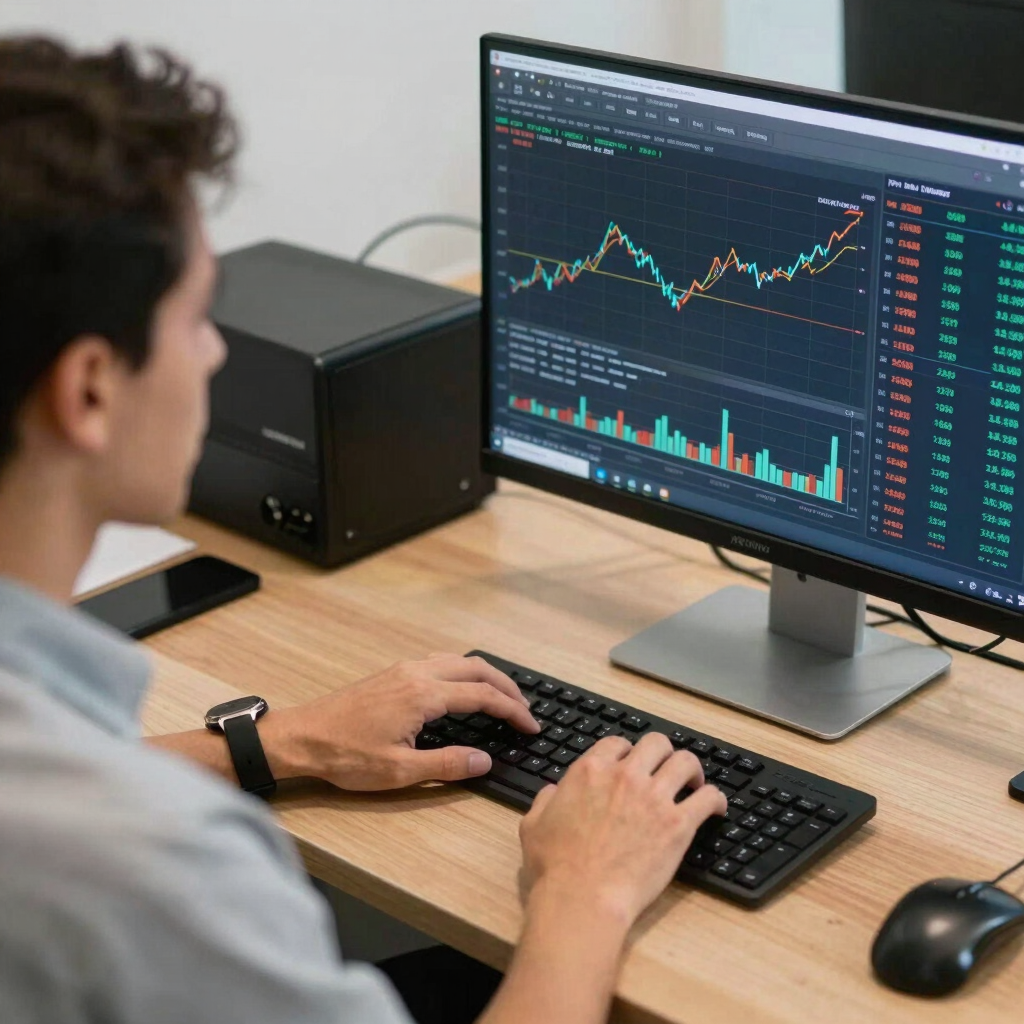
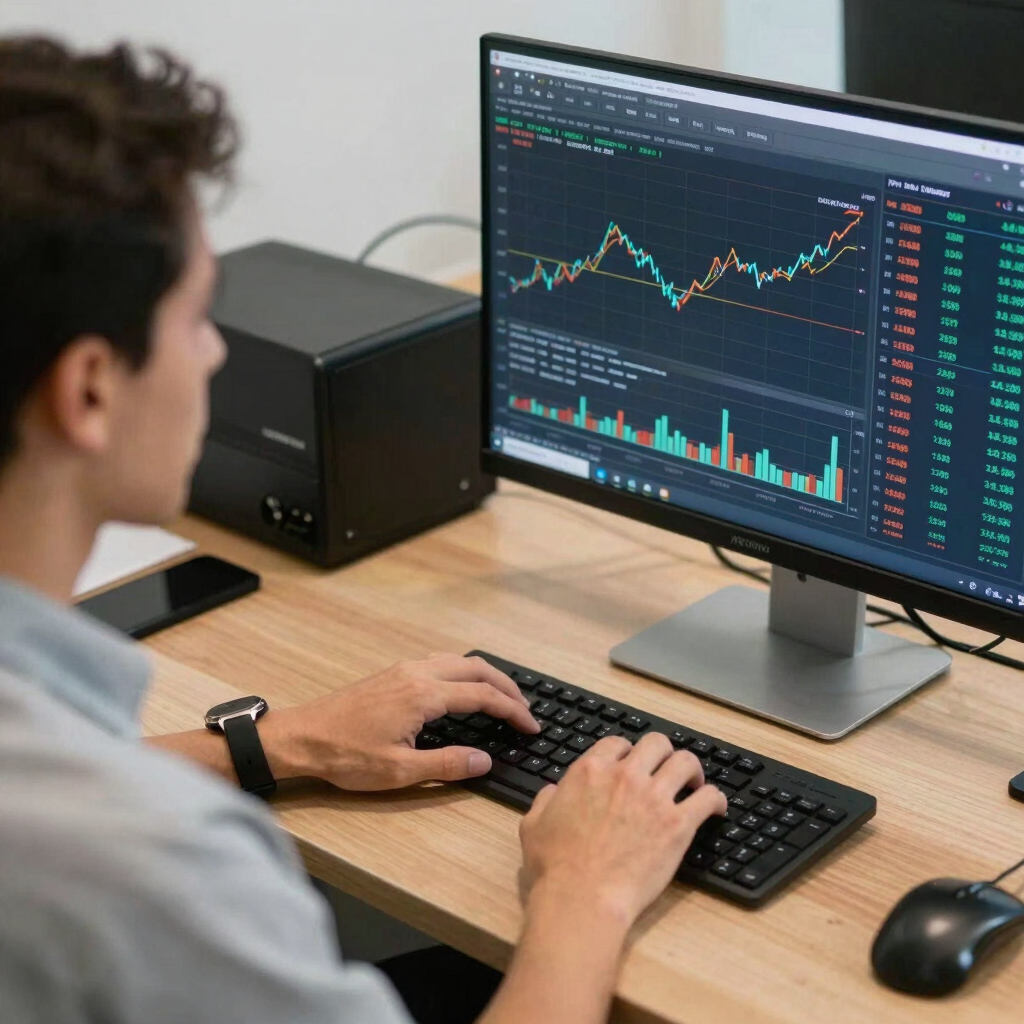
Foreign exchange, or Forex, remains one of the most dynamic financial markets globally. It attracts traders from every background, professionals seeking diversification, entrepreneurs exploring new income pathways, and individuals drawn to the challenge of interpreting global economic movements. If you are beginning your journey and want to learn how to trade, it is important to build your foundation with clear principles, structured knowledge, and a disciplined approach.
Many learners start by searching for a Forex Trading course near me or a more specific option including their town or city, such as a Forex Trading course in Swindon. Whether your goal is to trade part-time, develop systematic strategies, or understand foreign exchange as an analytical discipline, the right educational path can significantly accelerate your progress.
Why Learn Forex Trading?
Forex trading is unlike most traditional investments because it allows you to participate whether markets are rising or falling. Currencies move in reaction to economic data, interest rates, political developments, and global sentiment. This fluidity creates opportunity, but only for those who approach the market responsibly.
Beginners often underestimate the level of discipline and structure required. Trading is not speculation or gambling; it is an evidence-driven, model-based process. This is why structured learning is essential before committing real funds. The long-term goal is not to simply place trades but to understand why markets move, how to manage risk, and how to anticipate scenarios with clarity.
Mastering the Two Core Pillars of Forex Analysis
All traders, regardless of experience level, rely on two analytical disciplines: fundamental analysis and technical analysis. Each offers different insights into market behaviour, and both are crucial for decision-making.
Fundamental analysis focuses on economic drivers such as inflation, GDP growth, central bank policy, and employment data. These factors shape currency valuations over the medium- to long-term. To build your foundation in this area, you may find it useful to review our detailed guide on macroeconomic influences, available here: Forex Fundamentals Guide
Technical analysis, in contrast, studies price behaviour. Traders examine trends, candlestick formations, support and resistance levels, and momentum indicators to identify potential trade opportunities. This analytical approach is essential for timing entries and managing exits. A comprehensive introduction to chart reading and technical methods is available here: Technical Analysis for Forex Traders
Understanding both pillars allows you to view the market through a balanced, multi-dimensional lens.
What It Really Means to Learn How to Trade
Learning to trade is not a matter of memorising terms or copying strategies. Rather, it is the process of developing a repeatable decision-making framework. New traders often rely on intuition or emotional reaction, but experienced traders follow structured routines grounded in rules, analysis, and performance feedback.
The aim is to build a trading system that is consistent, measurable, and adaptable. This includes defining the conditions under which you enter trades, your risk thresholds, the market structures you prioritise, and the exit criteria you rely upon. A more in-depth discussion on how professionals build strategies can be found here: Trading Strategy Development
This process takes time, but it is the foundation of long-term trading competence.
The Role of Structured Education in Your Trading Development
Many learners choose to begin their journey through formal programmes, often searching for a Forex Trading course near me to receive structured guidance. Others consider geographically specific options such as a Forex Trading course Swindon, if they are based in or around the town of Swindon.
Structured learning offers several advantages. It helps you progress from basic concepts to practical application in an organised way. It introduces you to risk management methods that protect your capital. It also exposes you to real market scenarios, enabling you to connect theory with live price behaviour.
Mentorship is another important element. Having access to experienced traders provides perspective, reduces avoidable mistakes, and accelerates the adoption of professional habits. Learning in isolation often leads to misinterpretation of market signals, inconsistent execution, and a lack of confidence.
If you wish to review an example of a structured framework that covers trading foundations through advanced trade management, you can view our course overview here:
Forex Trading Course Overview
Choosing the Right Forex Course for Your Needs
When selecting a trading course, it is helpful to look beyond the marketing language and examine how well the structure supports your development. A good educational programme provides clear progression, starting with market terminology and gradually introducing complex ideas such as liquidity zones, volatility cycles, and macro-driven price impulses.
It should offer opportunities to observe live markets, practice simulated trading, and review your performance through structured feedback. Courses that offer community engagement also strengthen learning by exposing you to different perspectives, trade examples, and practical challenges faced by traders at various stages.
Local courses, such as those available for learners looking for a Forex Trading course near me, can provide in-person access to workshops and study groups. Combined with online resources, this hybrid model can create a strong, well-rounded educational environment.
Avoiding Common Pitfalls While Learning to Trade
New traders frequently face challenges that can slow or even halt their progress. One of the most common issues is overleveraging. High leverage magnifies both gains and losses, and without proper risk management, it can erode capital quickly.
Another challenge is the lack of a trading plan. Entering trades impulsively or based on emotions leads to inconsistent results. Confirmation bias can also distort decision-making, causing traders to only look for information that supports their preferred direction while ignoring warning signs.
A strong understanding of risk management helps mitigate these issues. If you would like to explore core principles such as position sizing, risk-reward ratios, and capital preservation, our guide is available here:
Risk Management Essentials
Developing awareness of these pitfalls helps you approach the market with clarity and discipline.
Using Local and Online Resources to Strengthen Your Skills
If you are based near Swindon, searching for a Forex Trading course in Swindon may lead you to local study groups, in-person seminars, and community meetups. Local learning environments offer direct interaction with instructors and peers, which can be particularly useful for beginners seeking structured guidance.
However, online resources and structured web-based programmes play an equally important role. They allow you to revisit lessons, study at your own pace, and apply concepts in practical trading environments. By combining both models, you benefit from the flexibility of online learning and the accountability of in-person engagement.
A Practical Path to Begin Your Trading Journey
If your goal is to learn how to trade in a systematic way, consider starting with foundational knowledge. Spend time understanding currency behaviour, market structure, and the economic events that drive price movement. Next, practice with a demo account to apply your knowledge without financial risk. Keeping a detailed journal of every trade will help you identify patterns in your decision-making and areas for improvement.
When you feel ready, engage in a structured learning programme—either through a local option like a Forex Trading course near me or through reputable online education. Develop a simple trading plan, refine it over time, and apply it consistently. Finally, transition gradually from simulated to live markets, ensuring that your risk management remains intact.
Conclusion
Learning to trade is a disciplined, educational journey rather than a quick route to profit. Searching for a Forex Trading course near me or a Forex Trading course Swindon is an excellent starting point, but true trading competence develops through study, practice, and structured guidance.
By combining foundational knowledge, a clear analytical framework, structured education, and disciplined execution, you can progress from a novice learner to a confident, informed trader. Forex markets reward preparation, not speculation. With the right approach, you can build the skills required to navigate them responsibly and effectively.
If you wish to explore detailed resources, here are the key educational sections referenced throughout this guide:
© 2025. All rights reserved






Company Registration Number 16824545
Risk Disclosure: All trading involves risk. Spread bets and CFDs are complex instruments and carry a high risk of rapid loss of capital due to leverage. You should consider whether you understand how spread bets and CFDs work and whether you can afford to take the high risk of losing your money. Please refer to the Disclaimer for further information.